Causes That Matter

Together, We Can Support Those in Need

HER Logo

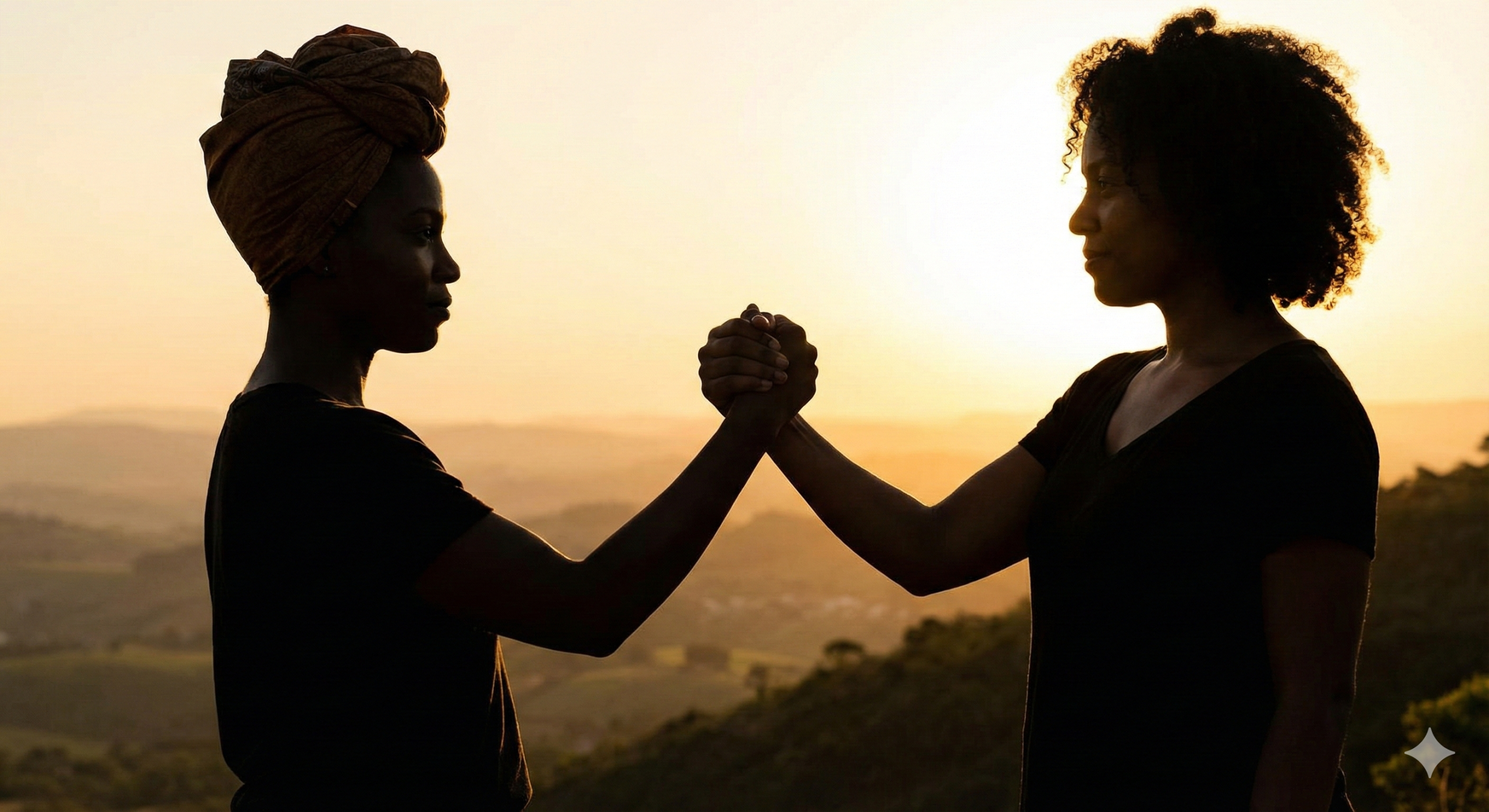
The H.E.R Project (GBV)

Introducing The H.E.R. Project—a new arm of the UBUNTU-HOPE Initiative dedicated to women navigating the storms of divorce and abuse. Help us to support initiatives like all over South Africa. If you are a lawyer and can contribute financially or give your time in support this cause please get in contact with us

GBV with SPAR

It is the work we do every day to ensure safety and dignity for all. Together with SPAR, Ubuntu-Hope believe that Gender-Based Violence is the ultimate betrayal of the spirit of Ubuntu. We cannot be whole as a nation while half of us are living in survival mode.

MOEGGESUKKEL

Moeggesukkel is a non-governmental organisation. They proudly reflect their role in housing, feeding, reconciling, and creating job opportunities for thousands of people. Moeggesukkel serve as a vital support system for many, striving to restore hope in situations that seem hopeless. We at UBUNTU-HOPE strongly support Moeggesukkel's mission and vision. Vissit moeggesukkel website to learn more. www.moeggesukkel.co.za

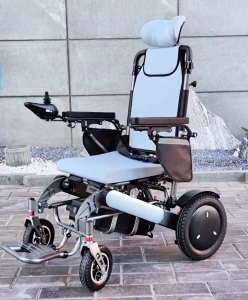
Restoring Dignity, One Wheel at a Time

"Mobility shouldn't be a luxury. But for many people in our community, it is. I’m Valken from UBUNTU-HOPE, and we are changing the game. We are building a heavy-duty electric wheelchair from scratch right here in Centurion. No medical markups, no nonsense—just solid engineering to help people regain their independence. We have the skills, we have the plan, but we need the parts. Join us in building the 'Mobility for Moeggesukkel' project. Let's get people moving again."
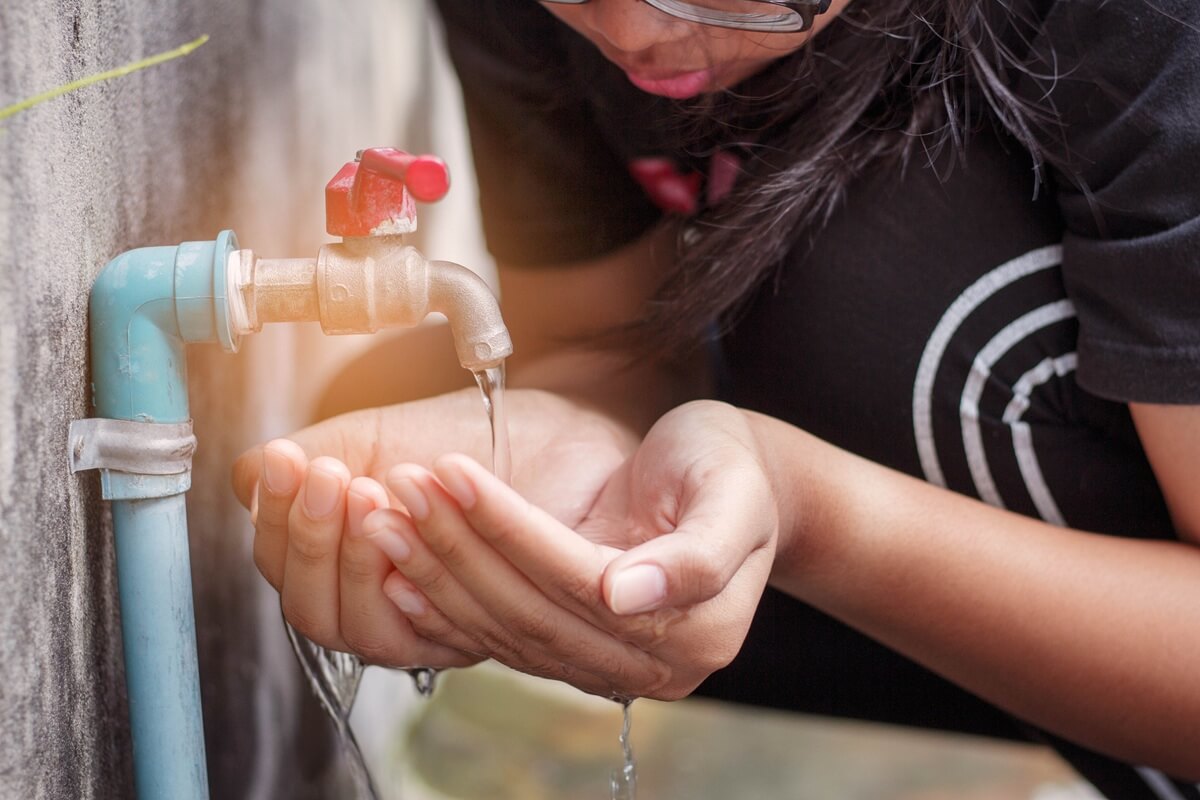
Clean Water Project

Environmental Project

Your journey to helping others begins right here.

Your support helps turn this profound philosophy into tangible action, providing education, healthcare, and vital resources to those who need it most, fostering a global community built on shared humanity and hope.

Make a Difference Today!

Gender-Based Violence (GBV) refers to violence directed against a person because of their gender, sex, or sexual orientation, rooted in unequal power relations and harmful social norms. It disproportionately affects women and girls but can affect anyone. Supporting survivors requires a survivor-centered approach, and preventing GBV involves a combination of individual, community, and systemic actions. 

 
Understanding GBV
GBV is a broad term encompassing various forms of abuse that often co-exist and reinforce each other. 
  • Physical Violence: Any act causing bodily harm, such as hitting, slapping, strangling, or the use of weapons.
  • Sexual Violence: Any non-consented sexual act, including rape, sexual assault, and sexual exploitation.
  • Psychological/Emotional Abuse: Behavior that causes mental or emotional pain, such as coercion, intimidation, verbal insults, constant put-downs, or isolation.
  • Economic Abuse: Withholding money, denying access to employment or education, or controlling a person’s financial resources, which limits their independence.
  • Harmful Practices: Include female genital mutilation (FGM), child marriage, and forced marriage.
  • Structural Violence: Resulting from entrenched systems, such as patriarchy, that enable unequal treatment and power imbalances.
GBV is caused by a myriad of factors, with the primary root cause being gender inequality and societal norms that condone violence or view certain genders as inferior.
 
Supporting Survivors of GBV
Support for survivors must be guided by core principles: safety, confidentiality, dignity, and non-discrimination. 
  • Listen and Believe: The most crucial first step is to listen patiently, believe the survivor’s story without judgment, and validate their feelings.
  • Prioritize Safety: Help the person develop a safety plan for themselves and any children, which may include identifying safe places or using a code word to signal for help.
  • Offer Resources (Without Pressure): Provide information on available services such as hotlines, shelters, legal aid, and medical care, but respect their decisions and do not pressure them into a specific course of action.
  • Maintain Confidentiality: Do not disclose any information to anyone without the survivor’s explicit, informed consent.
  • Help Build a Support Network: Encourage them to connect with trusted friends, family, or support groups.
  • Be Patient and Consistent: Recovery is a long-term process, and survivors may take many attempts to leave an abusive situation. Do not give up on them. 
 
Preventing GBV
Prevention requires challenging the root causes of inequality at individual, community, and societal levels. 
  • Educate Yourself and Others: Learn about gender inequality and the causes of violence, and share this knowledge. This can help unlearn harmful behaviors and attitudes.
  • Challenge Sexist and Discriminatory Language: Speak up when people use language that puts others down or perpetuates stereotypes.
  • Engage Men and Boys: Involving men and boys as allies is critical to transforming harmful ideas of masculinity and promoting positive, equal relationships.
  • Support Gender Justice Organizations: Get involved with human rights and anti-violence organizations, and support campaigns like the annual 16 Days of Activism.
  • Advocate for Systemic Change: Support legal reforms, economic empowerment for women, and policies that ensure accountability for perpetrators and protection for survivors.
  • Create Safe Spaces: Ensure schools, workplaces, and communities are safe environments where violence is not tolerated, and people feel comfortable reporting abuse. 
 
Key Resources in South Africa
If you or someone you know is in an abusive situation, reach out for support. 
  • GBV Command Centre (GBVCC): 0800 428 428 (a 24-hour national call center). For persons with disabilities, SMS ‘help’ to 31531 or add ‘Helpme GBV’ to Skype contacts.
  • TEARS Foundation: Dial *134*7355# from any cellphone to be connected to a nationwide emergency service.
  • Lawyers against Abuse (LvA): Provides legal and psychosocial support. Call 072 031 1840 or visit lva.org.za.
  • Childline South Africa: For child abuse cases, visit childlinesa.org.za


Spread Love, Give Hope, Create Change!