
Hi, I’m Valken van den Berg, founder of UBUNTU-HOPE.
Right now, at the Moeggesukkel Centre here in Centurion, we have residents who are prisoners in their own bodies—simply because they cannot afford the R35,000 price tag of a commercial electric wheelchair.
That is a barrier we refuse to accept.
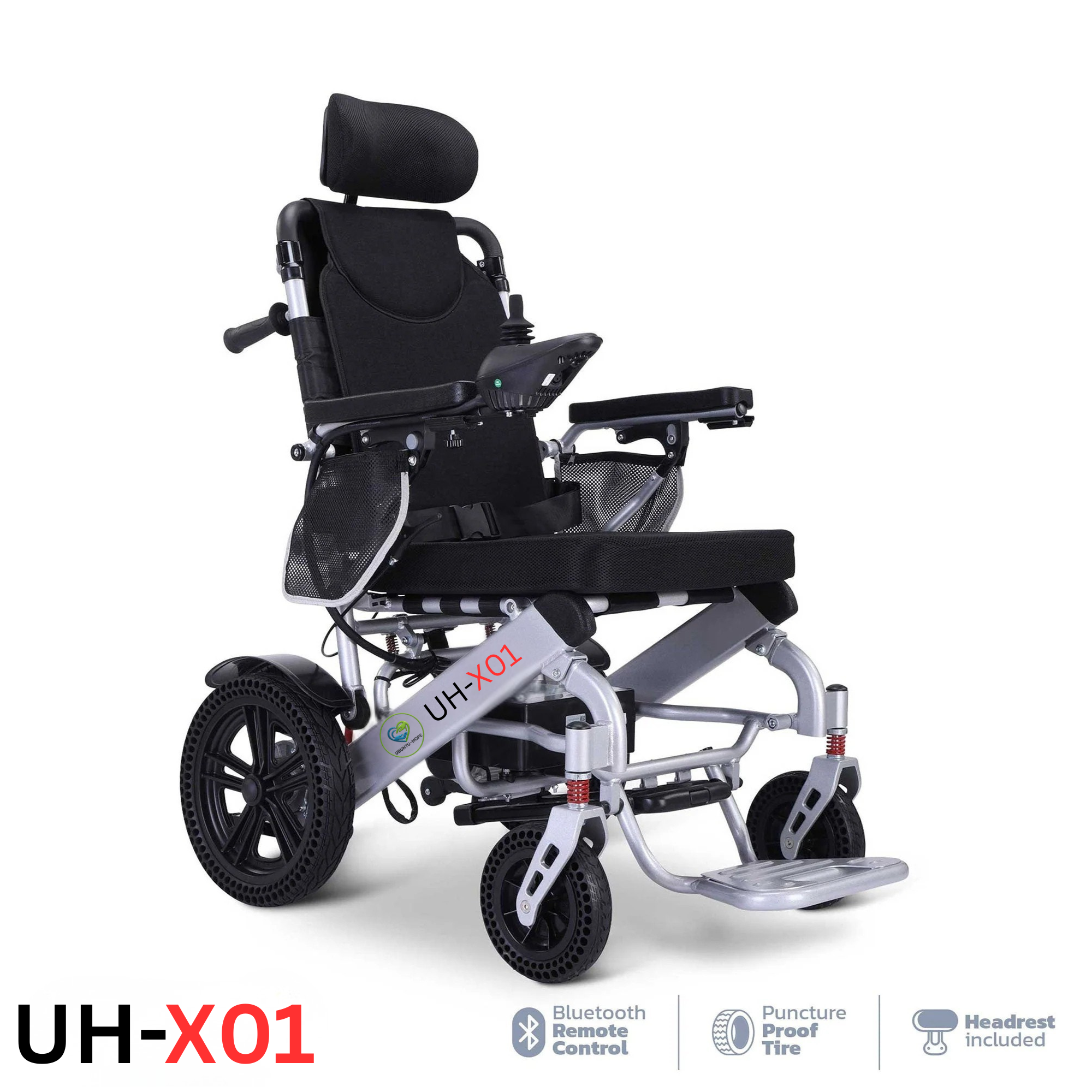
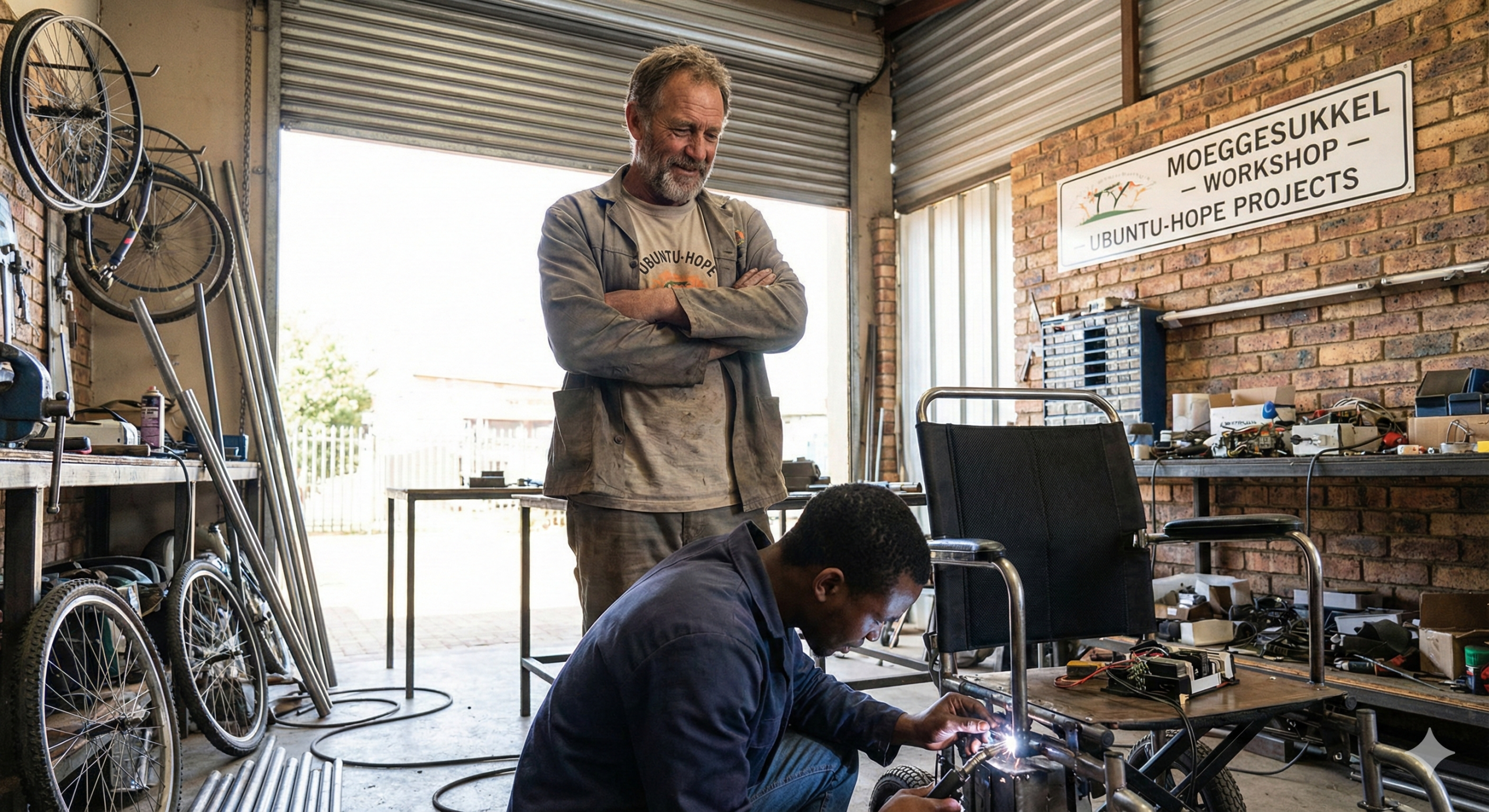
So, we are engineering a solution. We are building a rugged, low-cost electric wheelchair using locally sourced parts—industrial motors, bicycle components, and steel—to build a machine that costs a fraction of the market price but handles our tough terrain.
We call it ‘Mobility for Moeggesukkel.’
It’s not just about building a machine; it’s about engineering hope and restoring the simple dignity of moving yourself into the sun. But to finish this prototype, we need your help.”
Engineering Dignity. One Weld at a Time. 🛠️⚙️
At UBUNTU-HOPE, we believe mobility shouldn’t be a luxury. But for our residents at the Moeggesukkel Centre, a commercial electric wheelchair costing R35,000+ is simply out of reach.
So, we are building our own.
1. Hyper-Affordability & Accessibility We are breaking the financial barrier to mobility. Commercial power chairs cost upwards of R35,000, making them impossible for Moeggesukkel residents to acquire. By utilizing industrial components and locally sourced steel, we have engineered a functional, heavy-duty alternative for approximately R8,800—a cost reduction of 75%.
2. Terrain-Specific Engineering Standard medical wheelchairs are designed for shopping malls and hospital floors; they fail in the real world of dirt, grass, and gravel. Our design prioritizes Rugged Utility. With high-torque geared motors, 8-inch pneumatic tires, and a rigid-welded chassis, our chairs are built to conquer the uneven ground of the Moeggesukkel Centre without getting stuck or breaking down.
3. Local Sustainability & Repairability We reject the “black box” design of modern medical devices that require expensive, proprietary technicians. Our chairs are built with Standardized Parts (bicycle chains, gate batteries, mild steel). This ensures that repairs can be done on-site with basic tools, empowering the community to maintain their own fleet rather than waiting months for imported spares.
4. Dignity by Design We believe assistive technology should not look “medical” or fragile. Our design uses a robust, industrial aesthetic that signals strength, not illness. The chair is stable, powerful, and reliable, giving the user the confidence to venture out of their room and engage with the world.
The Problem: The Silent Prison For a resident at Moeggesukkel and so many other institutions with mobility impairments, life shrinks to the four walls of their room. Without the strength to push a manual wheelchair over rough terrain, they are forced into a state of dependency—waiting for someone to push them to the dining hall, to the bathroom, or simply outside to feel the sun. This isolation breeds depression and accelerates physical decline.
The Solution: Powering Independence The “Mobility for Moeggesukkel” project does not just build chairs; we build freedom.
Restoring Autonomy: A motorized chair transforms a beneficiary from a passive recipient of care into an active participant in community life. They can choose when to eat, where to sit, and who to visit.
Mental Well-being: The simple act of moving oneself “into the sun” or visiting a neighbor unassisted has a profound impact on mental health, reducing feelings of helplessness and burden.
Community Re-Integration: When a resident is mobile, they can contribute. Whether it’s working in the vegetable garden, helping in the workshop, or attending social gatherings, mobility unlocks their potential to be a productive member of the Moeggesukkel family.